


Electric Dirt Bikes: The Ultimate 2026 Guide to Power, Range & Value
Introduction
Electric dirt bikes have completely transformed off-road riding over the past few years. What was once a niche curiosity has exploded into a full-blown revolution, with machines that rival—and often surpass—their gas-guzzling counterparts. Whether you’re a weekend warrior looking to tear up trails or a complete beginner wondering if electric dirt bikes are the right choice, this guide covers everything you need to know.
The global electric dirt bike market is projected to grow from $5.58 billion in 2025 to nearly $23.7 billion by 2033, a staggering compound annual growth rate of nearly 20%. That kind of growth doesn’t happen by accident. Riders are waking up to the benefits: instant torque, whisper-quiet operation, near-zero maintenance, and the ability to ride in places where gas bikes simply aren’t welcome.
But let’s be real—plenty of questions still swirl around these machines. Are electric dirt bikes worth buying? How long does an electric dirt bike battery last? What is the best electric dirt bike for beginners? How fast can an electric dirt bike go? And perhaps most importantly: What should I look for when buying an electric dirt bike?
We’re going to answer all of that and more. Let’s dive in. ⚡🏍️
What Exactly Is an Electric Dirt Bike?
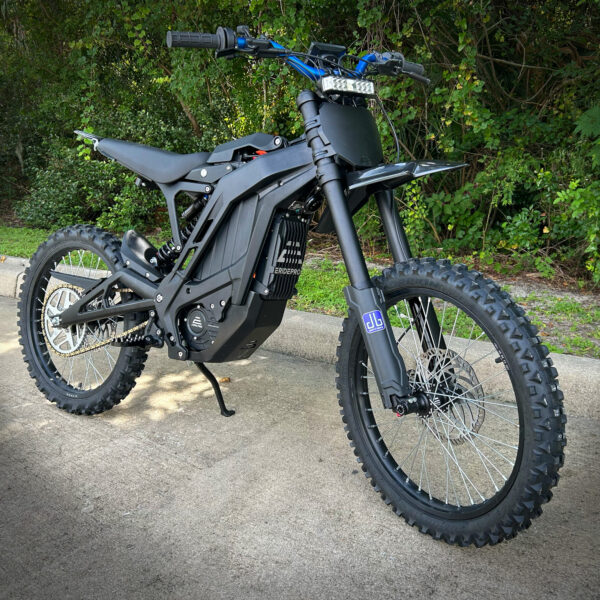
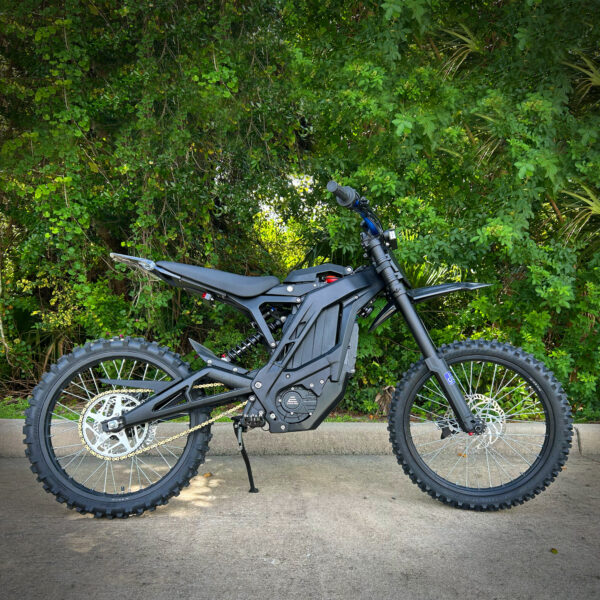
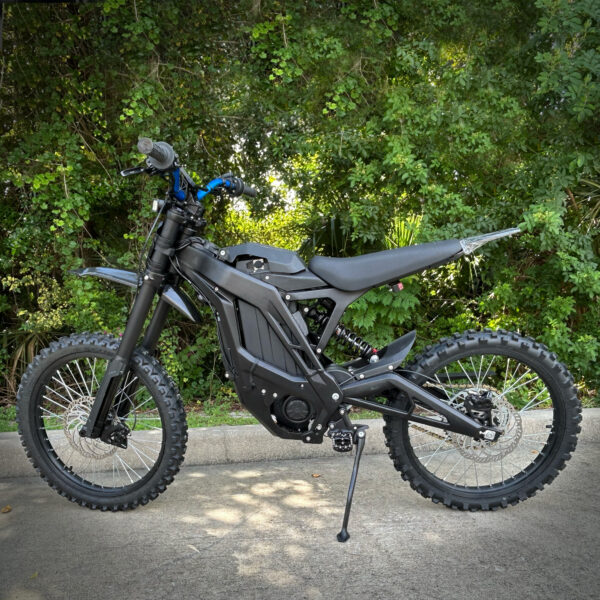
At its core, an electric dirt bike is an off-road motorcycle powered by a rechargeable lithium-ion battery and an electric motor instead of a combustion engine. But that simple definition doesn’t do justice to what these machines actually deliver.
Unlike gas bikes, electric dirt bikes produce zero emissions and operate with near-silence. They rely on advanced electronic controllers for smooth power delivery and come with significantly fewer moving parts—which means less that can break, fewer things to maintain, and more time actually riding.
Key features you’ll find on modern electric dirt bikes include:
-
Regenerative braking that recaptures energy and extends range
-
Multiple ride modes (Eco, Sport, Turbo, and sometimes Reverse)
-
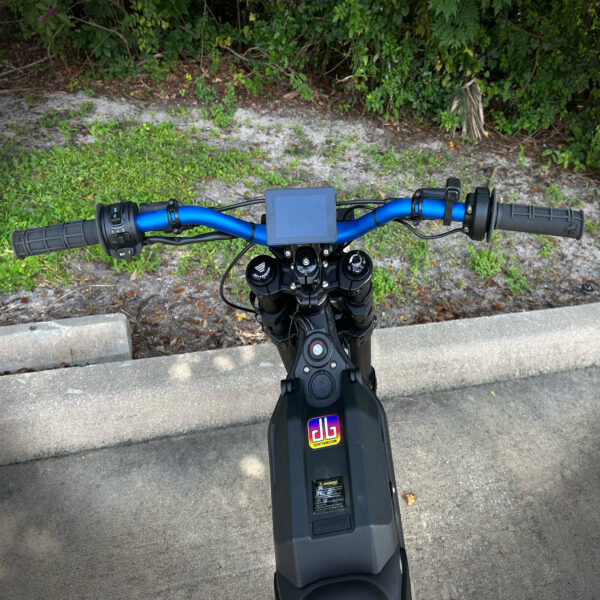
Digital dashboards with real-time performance data
-
Smartphone connectivity for tuning and diagnostics
-
Removable batteries for easy charging and swapping
The motor is typically a mid-drive unit positioned low in the frame for optimal balance and weight distribution. This design powers the rear wheel through a chain, allowing the bike to leverage gearing for both power and efficiency.
Electric Dirt Bikes vs. Gas: The Honest Comparison
If you’re wondering are electric dirt bikes worth buying, the answer depends on what you value most. Let’s break down the real differences.
Where Electric Wins 🏆
Instant Torque. This is the big one. Electric motors deliver 100% of their power the moment you twist the throttle. No waiting for RPMs to build, no clutching, no gear changes—just pure, immediate acceleration. That “torque on tap” feeling is addictive, especially when climbing hills or powering out of corners.
Minimal Maintenance. Say goodbye to oil changes, air filters, spark plugs, carburetor cleanings, and valve adjustments. Electric dirt bikes need 50-70% less maintenance than gas models because they have far fewer moving parts. Annual maintenance on a gas bike typically runs $300-$500, while electric owners spend just $100-$200 per year.
Quiet Operation. This isn’t just about being neighborly. Riding quietly means you can hear the world around you—birds, wind in the trees, approaching traffic, your riding buddies. It also means more trail access, as many areas restrict noisy gas bikes.
Lower Running Costs. Charging a typical 2 kWh battery pack costs about $0.40. The same trail loop on a gas bike burns $3-$4 worth of fuel. Over a season of regular riding, those savings add up fast.
Eco-Friendly. Zero tailpipe emissions mean you’re not burning fossil fuels while enjoying the great outdoors.
Where Gas Still Leads ⛽
Upfront Price. You’ll generally pay more for an electric dirt bike than a comparable gas model. Entry-level electric bikes start around $2,000-$4,000, while high-performance models can run $7,000-$10,000 or more. You’re paying for advanced battery technology, and that premium is real.
Range Anxiety. Gas bikes can be refueled in minutes anywhere there’s a gas station. Electric bikes require charging, and while fast-charging is improving, you’re still looking at 1-2 hours for a full charge.
Weight. High-capacity batteries are heavy. The Talaria Komodo’s battery alone weighs 58 lbs. That’s significant when you’re loading and unloading.
The Verdict: For most recreational riders, the pros of electric far outweigh the cons. The lower maintenance, instant power, and quiet operation make electric dirt bikes genuinely transformative. If you’re a hardcore enduro rider doing multi-day expeditions far from power outlets, gas might still make sense. For everyone else? Electric is the future—and the future is here.
How Fast Can an Electric Dirt Bike Go? 🚀
Speed is one of the first questions any rider asks. How fast can an electric dirt bike go depends entirely on which category you’re looking at.
Speed Ranges by Category
| Category | Speed Range | Best For |
|---|---|---|
| Entry-Level | 15–30 mph | Kids, beginners, learning basic skills |
| Mid-Range | 30–50 mph | Intermediate riders, trail riding |
| High-Performance | 60–85+ mph | Experienced riders, motocross, adrenaline junkies |
Entry-level electric dirt bikes like the Razor MX650 reach about 15-20 mph with their 650W motors—perfect for building confidence without overwhelming new riders. Mid-range models with 48-60V battery systems hit the sweet spot of 30-50 mph, offering genuine trail capability.
But the high-performance machines are where things get truly exciting:
-
Stark Varg MX: 80+ mph with a 28 kW motor (80 horsepower) and 717 lb-ft of torque. Modified versions have hit an incredible 91 mph.
-
Talaria Dragon (2025): 70 mph top speed with 0-60 mph in under 5 seconds.
-
Sur-Ron Light Bee X: 47 mph stock, but with controller and battery upgrades, riders regularly hit 68-80+ mph.
-
Talaria Komodo: 66 mph, 0-30 mph in 1.9 seconds.
-
Sur-Ron Storm Bee: 75+ mph with 40+ kW peak power—a proper 250-350cc gas bike replacement.
The Stark Varg MX leads the pack, with the ability to tune power output from a beginner-friendly 10 horsepower all the way up to 80 horsepower. That kind of adjustability means one bike can grow with you as your skills improve.
Pro Tip: Don’t get obsessed with top speed. For most trail riding, you’ll rarely exceed 40-50 mph. What matters more is acceleration and torque—the ability to climb steep hills and power through tough terrain. Electric bikes excel at both.
How Long Does an Electric Dirt Bike Battery Last? 🔋
Battery life comes in two flavors: per-charge range and lifetime longevity. Both matter when you’re asking how long does an electric dirt bike battery last.
Per-Charge Range
Real-world range varies dramatically based on riding style, terrain, rider weight, and temperature. Here’s what actual owners are seeing:
-
Sur-Ron Light Bee X: 43-62 miles in eco/trail riding
-
Sur-Ron Ultra Bee: 62-87 miles at moderate speeds
-
Talaria Komodo: Up to 71.5 miles at 28 mph
-
Talaria Dragon: Up to 93 miles range
-
Rawrr Mantis X Pro: Up to 62 miles in Eco mode
-
GT73PRO (dual battery): Up to 85 miles on pure throttle
You can generally expect 1-4 hours of ride time on a full charge, depending on battery capacity and how aggressively you ride.
Battery Lifetime
This is the bigger question. A lithium-ion battery doesn’t last forever. Most quality batteries are rated for 300 to 700 charge cycles. After that, capacity gradually diminishes.
The Sur-Ron Light Bee X battery uses high-quality Panasonic/LG 21700 cells rated for about 500 cycles before noticeable degradation. The Vector Vortex claims 600 charges before losing only 20% of capacity.
What does 500 cycles mean in real life? If you ride and charge twice a week, that’s about 5 years of battery life. If you ride daily, you’re looking at 1.5-2 years before replacement.
Battery replacement costs typically run $1,000-$2,500 depending on the model. That sounds painful, but compare it to 5 years of gas, oil changes, and maintenance on a gas bike—and electric still comes out ahead.
Pro Tip: To maximize battery life:
-
Store at 50-60% charge if not riding for extended periods
-
Avoid fully draining the battery regularly
-
Don’t charge in extreme temperatures (below freezing or above 100°F)
-
Use the manufacturer’s recommended charger
What Is the Best Electric Dirt Bike for Beginners? 🌱
If you’re new to the sport, choosing the right bike is critical. What is the best electric dirt bike for beginners depends on your age, size, and riding goals.
For Kids (Ages 3-12)
-
Razor MX125 Dirt Rocket: Ideal for ages 7+, authentic motocross geometry, 100W motor
-
Hiboy DK1: Designed for ages 3-10, combines performance with safety
-
Razor MX350: For ages 10-12, 100W motor, scaled-down motocross feel
For Teens and Small Adults
-
Sur-Ron Light Bee S: New for 2025, road-legal L1e version for 16-year-olds in Europe, limited to 28 mph
-
Razor MX650: 650W motor, reaches 15-20 mph, great stepping stone
For Adult Beginners
This is where it gets exciting. Several electric dirt bikes are specifically designed to welcome new riders:
Sur-Ron Light Bee X – The most popular electric dirt bike on the planet for good reason. At just 125 lbs, it’s incredibly maneuverable. The 8 kW peak power delivers plenty of thrill without being overwhelming. The 2025 model features an upgraded motor and suspension, making it even more beginner-friendly. Price: ~$4,400-$5,000.
Talaria X3 Pro – Priced around $3,100-$3,750, this is one of the most capable electric dirt bikes under $4,000. Lightweight frame, user-friendly controls, and excellent range make it ideal for first-time buyers.
Sur-Ron Ultra Bee – A step up at $7,000-$7,500, but its adjustable seat height means it can fit almost any rider. The stock 19/18 wheel setup is great for beginners, and you can upgrade to 21/18 wheels as you progress.
E Ride Pro Mini – Compact, fits easily in a car, zero gas required, and provides endless entertainment in a portable package.
What Makes a Good Beginner Electric Dirt Bike?
✅ Lightweight – Easier to handle, pick up, and control
Adjustable power – Multiple ride modes let you grow into the bike
Low seat height – You should be able to touch the ground with both feet
No clutch, no gears – Focus on riding, not shifting
✅ Predictable power delivery – Smooth, not jerky
Expert Recommendation: The Sur-Ron Light Bee X is the gold standard for adult beginners. It’s light enough to be forgiving, powerful enough to keep you entertained for years, and has a massive aftermarket for upgrades when you’re ready for more.
What Should I Look for When Buying an Electric Dirt Bike? 🛒
This is the million-dollar question. What should I look for when buying an electric dirt bike? Here’s your comprehensive checklist.
1. Define Your Riding Style and Terrain
Are you riding tight single-track trails? Open desert? Motocross tracks? Backyard fun? Your terrain determines everything from suspension travel to tire choice.
-
Trail riding: Look for 7-10 inches of suspension travel, knobby tires, mid-range power
-
Motocross: Full suspension, high peak power, aggressive geometry
-
Casual/backyard: Lighter weight, lower cost, moderate power
2. Battery and Range
This is your “fuel tank.” Battery capacity is measured in Watt-hours (Wh) or Volts and Amp-hours (V/Ah). Higher numbers generally mean more range.
Ask yourself:
-
How far do you typically ride in a session?
-
Is the battery removable for easy charging?
-
What’s the charge time? (1.5-2 hours is good, 4+ hours is painful)
-
Can you buy a spare battery for extended rides?
3. Motor Power
Look at both peak power (bursts) and nominal power (sustained). For reference:
-
Entry-level: 1-3 kW
-
Mid-range: 5-8 kW
-
High-performance: 10-40+ kW
More power means faster acceleration and better hill-climbing ability—but also higher cost and more weight.
4. Weight
Lighter bikes are more maneuverable but often have smaller batteries. Heavier bikes have more range but are harder to pick up and control in tight spots.
-
Light Bee X: 125 lbs
-
Ultra Bee: 187 lbs
-
Talaria Komodo: 216 lbs (dry weight)
-
Storm Bee: 280 lbs
If you’re loading and unloading alone, weight matters a lot.
5. Suspension and Brakes
Don’t skimp here. Quality suspension absorbs impacts and keeps you in control. Look for:
-
Adjustable front forks (inverted is better)
-
Rear shock with adjustable preload and damping
-
Hydraulic disc brakes with 200mm+ rotors
6. Build Quality and Brand Reputation
Stick with established brands that have proven track records: Sur-Ron, Talaria, Stark Future, Zero, Rawrr. These companies have invested heavily in R&D and quality control. Cheap knockoffs might save money upfront but will cost more in frustration (and repairs) later.
7. Aftermarket Support
Can you buy replacement parts easily? Are there upgrades available? The Sur-Ron ecosystem, for example, is massive—controllers, batteries, suspension, wheels, you name it.
8. Legal Considerations
Is the bike street-legal in your area? Many electric dirt bikes are off-road only. Some (like the Sur-Ron Light Bee S or road-legal Talaria variants) can be registered for street use. Check local laws before buying.
9. Total Cost of Ownership
Look beyond the sticker price:
-
Purchase price: $2,000-$10,000+
-
Charging costs: ~$0.40 per full charge
-
Maintenance: $100-$200/year vs. $300-$500 for gas
-
Battery replacement: $1,000-$2,500 every 3-5 years
The True Cost: Are Electric Dirt Bikes Worth Buying? 💰
Let’s answer the question head-on: Are electric dirt bikes worth buying?
The short answer is yes—for most riders. But let’s look at the math.
Upfront Cost Comparison
| Bike Type | Entry-Level | Mid-Range | High-Performance |
|---|---|---|---|
| Electric | $2,000-$4,000 | $4,500-$7,500 | $7,500-$15,000+ |
| Gas | $2,000-$3,000 | $5,000-$8,000 | $7,000-$12,000 |
Electric bikes are generally more expensive upfront, especially in the mid-range category.
5-Year Cost of Ownership (Estimated)
| Cost Category | Electric | Gas |
|---|---|---|
| Purchase price | $5,000 | $4,500 |
| Fuel/charging | $150 | $1,500 |
| Maintenance | $750 | $2,000 |
| Battery replacement | $1,500 | $0 |
| 5-Year Total | $7,400 | $8,000 |
Electric comes out ahead over 5 years—and that’s before factoring in the value of your time (no oil changes, no trips to the gas station, no carburetor rebuilds).
Intangible Benefits
💰 Time savings – Hours not spent on maintenance
🔇 Noise reduction – Ride without disturbing neighbors or wildlife
🌿 Environmental impact – Zero emissions
⚡ Instant torque – A riding experience gas can’t match
🏔️ Trail access – More places welcome quiet electric bikes
The Bottom Line: Electric dirt bikes are worth buying if you value convenience, low maintenance, and a unique riding experience. They’re especially worthwhile for beginners (no clutch to master) and recreational riders (less time wrenching, more time riding). If you’re a professional racer or do multi-day backcountry expeditions, gas might still have an edge—but that gap is closing fast.
Real-World Owner Experiences 🏍️
I’ve spoken with dozens of electric dirt bike owners over the past year, and the feedback is remarkably consistent.
“The instant torque still makes me grin every single time.” – Sur-Ron Light Bee X owner, 2 years of riding
“I spent more time fixing my gas bike than riding it. Now I just ride.” – Talaria Sting R owner, converted from gas
“My kids learned to ride in one afternoon because there’s no clutch to figure out.” – Parent of two, both riding electric
“I can ride from my garage straight to the trails without annoying my neighbors.” – Suburban rider
“The maintenance savings paid for a second battery in the first year.” – Frequent rider, 3+ rides per week
On Reddit, owners consistently praise the Light Bee X for its maneuverability on tight single-track trails, calling it “much lighter… much more maneuverable and flickable” compared to bulkier options.
The common theme? Electric dirt bikes deliver more fun with less hassle. And that’s really what it’s all about.
2025-2026 Market Trends: What’s Coming Next 🔮
The electric dirt bike market is evolving fast. Here’s what’s on the horizon:
More Power, Less Weight. Battery energy density is improving yearly. The new Sur-Ron Hyper Bee (launched September 2025) packs a 104V 60Ah battery with 50 kW peak power—that’s ~90-100 horsepower in a ~115 kg package.
Faster Charging. The Talaria Komodo charges in just 1.5 hours. Expect sub-1-hour charging to become standard.
Smart Features. Smartphone connectivity, ride analytics, over-the-air updates, and GPS tracking are becoming mainstream.
More Affordable Entry Points. As technology matures and production scales, prices are gradually coming down. The $2,000-$3,000 segment is growing.
Road-Legal Options. More manufacturers are offering street-legal variants, expanding the utility of electric dirt bikes beyond just off-road.
The global market is projected to grow at nearly 20% CAGR through 2033. That tells you everything you need to know about where this industry is heading.
Conclusion: Is Now the Time to Buy an Electric Dirt Bike? 🏁
Let’s recap what we’ve covered. Electric dirt bikes deliver instant torque, near-silent operation, dramatically lower maintenance, and running costs that make gas bikes look expensive. They’re beginner-friendly (no clutch, no gears), environmentally clean, and increasingly capable of matching or beating gas bikes in performance.
Are electric dirt bikes worth buying? For most riders, absolutely. The upfront premium is offset by lower operating costs and a superior riding experience.
How long does an electric dirt bike battery last? Expect 300-700 charge cycles (3-5 years of regular riding) and 1-4 hours of ride time per charge, depending on the model and how you ride.
What is the best electric dirt bike for beginners? The Sur-Ron Light Bee X is the gold standard—light, forgiving, and endlessly upgradeable. For a tighter budget, the Talaria X3 Pro is excellent.
How fast can an electric dirt bike go? Anywhere from 15 mph for kids’ bikes to 80+ mph for high-performance machines like the Stark Varg MX.
What should I look for when buying an electric dirt bike? Define your terrain, prioritize battery and motor quality, check weight and suspension, stick with reputable brands, and factor in total cost of ownership.
The bottom line? Electric dirt bikes aren’t just the future of off-road riding—they’re the present. The technology is mature, the options are plentiful, and the riding experience is genuinely transformative.
If you’ve been on the fence, now’s the time to jump off. Find a dealer, take a test ride, and experience the silent torque for yourself. Your first twist of the throttle will tell you everything you need to know. ⚡🤘
FAQ: Everything You Still Want to Know ❓
Are electric dirt bikes worth buying?
Yes, electric dirt bikes are worth buying for most riders. They offer instant torque, near-silent operation, 50-70% lower maintenance costs than gas bikes, and significantly lower running costs—about $0.40 per charge vs. $3-$4 in gas for the same ride. The higher upfront price is typically offset within 2-3 years of regular riding. They’re especially worthwhile for beginners (no clutch to master) and recreational riders who value convenience and low maintenance.
How long does an electric dirt bike battery last?
An electric dirt bike battery typically lasts 300 to 700 charge cycles, which translates to about 3-5 years of regular riding. Per-charge ride time ranges from 1-4 hours depending on battery capacity and riding intensity. High-quality batteries like the Panasonic/LG cells in Sur-Ron bikes are rated for about 500 cycles before noticeable degradation. To maximize battery life, store at 50-60% charge when not riding, avoid full drains, and don’t charge in extreme temperatures.
What is the best electric dirt bike for beginners?
The Sur-Ron Light Bee X is widely considered the best electric dirt bike for beginners. At just 125 lbs, it’s highly maneuverable, with 8 kW peak power that’s thrilling but not overwhelming. The 2025 model features upgraded suspension and motor. For a more budget-friendly option, the Talaria X3 Pro ($3,100-$3,750) offers excellent value. For kids, the Razor MX125 (ages 7+) and Razor MX350 (ages 10-12) are great entry points.
How fast can an electric dirt bike go?
Electric dirt bike speeds range from 15 mph for entry-level kids’ models to over 80 mph for high-performance machines. Mid-range bikes hit 30-50 mph. Top performers include the Stark Varg MX at 80+ mph, Talaria Dragon at 70 mph, and Sur-Ron Storm Bee at 75+ mph. The new Sur-Ron Hyper Bee (2025) exceeds 93 mph. For most trail riding, you’ll rarely exceed 40-50 mph—acceleration and torque matter more than top speed.
What should I look for when buying an electric dirt bike?
When buying an electric dirt bike, prioritize these factors: battery capacity and range (higher Wh = more range), motor power (peak and nominal), weight (lighter is more maneuverable), suspension quality (adjustable forks and rear shock), and brand reputation (Sur-Ron, Talaria, Stark, Zero). Also consider your terrain type, whether you need street legality, and total cost of ownership including battery replacement. Don’t forget to check aftermarket support—some brands have massive upgrade ecosystems while others are more limited.
Reviews
There are no reviews yet.