


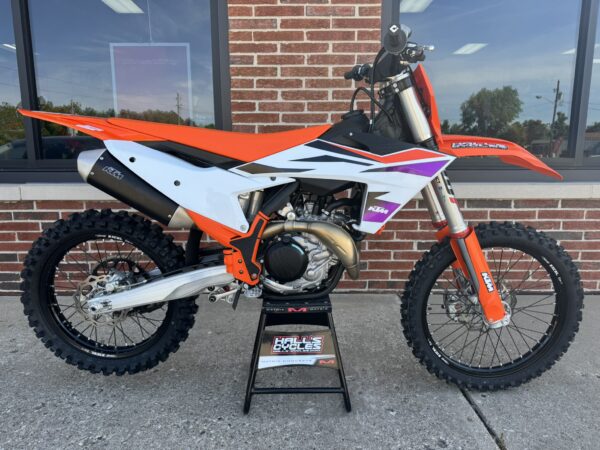
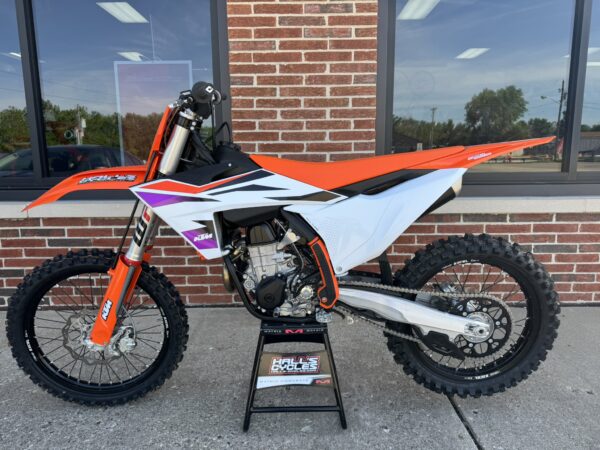
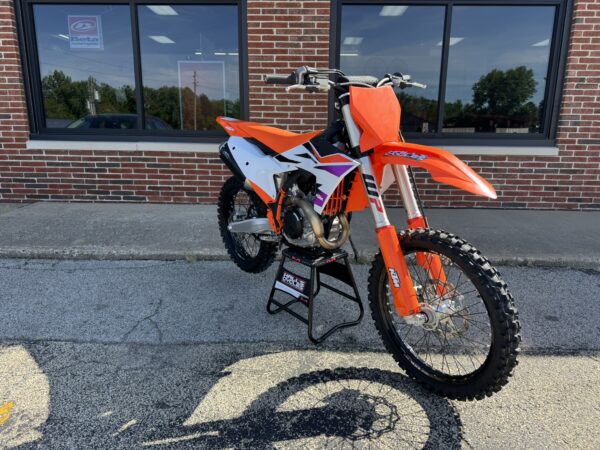


Dirt Bikes for Sale Near Me: The Only Buying Guide You’ll Ever Need 🏍️
If you’re searching for dirt bikes for sale near me, you’re already one step ahead — because knowing exactly what to look for before you hand over cash is the difference between a great deal and a wallet-draining headache. The used dirt bike market is genuinely packed with opportunity right now. But it’s also full of tired engines, sketchy paperwork, and overpriced lemons dressed up with fresh plastics. 🎯
This guide gives you everything: from identifying the best used dirt bike for beginners, to settling the age-old debate of whether to buy a used two-stroke or four-stroke dirt bike, to pinning down the most reliable used dirt bike brands, understanding how many hours is too many on a used dirt bike, and collecting every piece of paperwork you need when buying a used dirt bike. Let’s get into it. 🔍
🔥 Why the Used Dirt Bike Market Is Booming Right Now
Dirt bike sales exploded during the post-2020 outdoor recreation surge. Hundreds of thousands of new riders entered the sport — and now, many of those bikes have filtered into the second-hand market at very reasonable prices. For anyone looking at dirt bikes for sale near me, this means a wider selection, more negotiating room, and genuinely solid bikes available below retail pricing. 💰
A well-maintained used bike from a reputable manufacturer can cost 30–50% less than its brand-new equivalent while delivering identical performance on the trails. The key is knowing which bikes hold up, how to inspect them properly, and where to shop. That’s what the rest of this guide covers in detail.
🌱 What Is the Best Used Dirt Bike for Beginners?
This is the single most common question new riders ask — and it matters enormously. Get it wrong and you’ll either be bored in 3 months or scared off the sport entirely. The best used dirt bike for beginners balances manageable power, a lightweight chassis, and forgiving suspension that lets you focus on technique instead of survival.
🏆 Top Beginner-Friendly Used Dirt Bikes
These five models consistently earn top marks from riding instructors and experienced coaches as the best used dirt bike for a beginner at different size and budget levels:
- 🟢 Honda CRF250F — The gold standard for new riders. Electric start, smooth power curve, and Honda’s legendary reliability make this arguably the best used dirt bike for beginners on the planet. Dual-sport capable too.
- Kawasaki KLX230 — Trail-ready, electric-start, and remarkably forgiving. Great for adults who want something planted and confidence-inspiring without sacrificing fun.
- 🟢 Yamaha YZ125 — A brilliant two-stroke option for teens and lighter adults. Lightweight, flickable, and widely available used at sub-$3,000 prices.
- Suzuki DR-Z125 — Perfect for younger or smaller riders. Low seat height, tame power, and a near-indestructible engine reputation.
- 🟢 KTM 150 XC-W — A step up for beginners ready to push harder. Modern suspension, precise handling, and excellent build quality.
⚙️ Should I Buy a Used Two-Stroke or Four-Stroke Dirt Bike?
Few debates run hotter in the dirt bike world than this one. Whether you buy a used two-stroke or four-stroke dirt bike fundamentally shapes your riding experience, your maintenance schedule, and your fuel costs. Here’s an honest breakdown.
🔥 Used Two-Stroke Dirt Bikes
When weighing whether to buy a used two-stroke or four-stroke dirt bike, understand what a two-stroke actually offers. It fires on every engine revolution — delivering explosive, top-end power delivery in a lightweight package. The performance-to-weight ratio is unmatched. They’re simpler internally and easier (and cheaper) to rebuild at home.
- ✅ Lighter and more nimble than comparable four-strokes
- Lower purchase price in the used market
- ✅ Simpler engine — easier home rebuilds
- Requires pre-mixed fuel (two-stroke oil + gasoline)
- ❌ Shorter top-end rebuild intervals (every 20–40 riding hours)
- ❌ Restricted or banned at some riding areas due to emissions
🛠️ Used Four-Stroke Dirt Bikes
If you’re still deciding whether to buy a used two-stroke or four-stroke dirt bike, four-strokes win on accessibility. Power comes in smoother, broader waves — easier for beginners to manage. They run on regular pump gasoline, no mixing required. Rebuild intervals are longer, though when four-strokes do need engine work, the job is more complex and the bill is higher.
- ✅ Predictable, beginner-friendly power delivery
- Regular unleaded gasoline — no pre-mixing
- ✅ Longer periods between major engine rebuilds
- Widely accepted at all riding areas
- Heavier than two-stroke equivalents
- ❌ Valve and head work is expensive when needed
| Category | Two-Stroke | Four-Stroke |
|---|---|---|
| Power Delivery | Explosive, top-end | Smooth, broad powerband |
| Weight | Lighter | Heavier |
| Rebuild Cost | Lower, more frequent | Higher, less frequent |
| Best For | Motocross, racing, budget builds | Trail riding, beginners, recreation |
| Fuel | Pre-mixed oil + gas | Regular unleaded |
🏅 What Are the Most Reliable Used Dirt Bike Brands?
Brand matters more in the used market than it does when buying new. The most reliable used dirt bike brands have something non-negotiable going for them: massive parts ecosystems, well-documented service intervals, and thousands of independent mechanics who know them inside-out. That means cheaper repairs, faster parts sourcing, and higher resale values when you’re ready to sell.
🥇 Tier 1: The Most Reliable Used Dirt Bike Brands
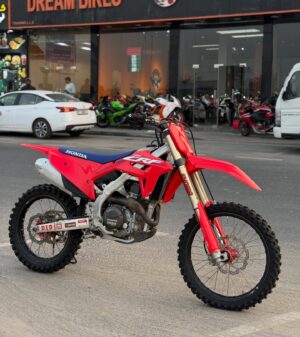
- 🔵 Honda — Consistently at the top of every reliability survey in the powersports industry. The CRF series is particularly well-regarded, with engines that routinely run past 300 hours with proper maintenance. Parts are stocked at nearly every shop in the country. Honda is the benchmark all other manufacturers are measured against when ranking the most reliable used dirt bike brands.
- 🔵 Yamaha — Exceptional long-term durability with a massive used parts market. The YZ and WR series have legendary engines. Yamaha’s YZ450F is one of the most race-proven motocross bikes ever produced, and the resale value reflects that.
- 🔵 Kawasaki — Chronically underrated on reliability lists, yet consistently impressive in practice. The KX and KLX models punch well above their price point and are among the most reliable used dirt bike brands for budget-conscious buyers.
- 🟠 KTM — High-performance engineering with modern electronic systems. Slightly more expensive to maintain due to premium components, but one of the most reliable used dirt bike brands for serious competition riding. Parts availability has improved significantly over the past decade.
- 🟠 Suzuki — The RMZ and DR series deliver competitive durability and fair pricing in the used market. Suzuki’s motocross lineup has been more stable than updated in recent years, meaning older models are extremely well understood mechanically.
⏱️ How Many Hours Is Too Many on a Used Dirt Bike?
Engine hours are the dirt bike equivalent of mileage on a car — and understanding how many hours is too many on a used dirt bike could save you from buying a bike that needs a $1,200 engine rebuild the week after you buy it. Many sellers won’t volunteer this information. You need to ask directly and know what the numbers mean.
📊 Dirt Bike Hour Meter Benchmarks
| Hours | Condition Rating | What to Expect |
|---|---|---|
| 0–50 hrs | 🟢 Low Use | Very low risk. Ideal buy. Top-end likely still fresh. |
| 50–100 hrs | 🟡 Moderate Use | Inspect valves and piston. Still a solid buy with good history. |
| 100–200 hrs | 🟠 High Use | Budget for top-end work. Ask for full service records. |
| 200+ hrs | 🔴 Very High Use | Factor a complete rebuild into your offer. Not a dealbreaker — but price accordingly. |
Here’s the nuance most buyers miss: how many hours is too many on a used dirt bike isn’t just a number — it’s about how those hours were accumulated. A four-stroke ridden hard on a motocross track at 80 hours may already need a valve job. The same model ridden gently on wooded trails at 140 hours could have plenty of life remaining. Context is everything. 🔧
No hour meter on the bike? That’s a yellow flag worth noting. Some owners remove them or “conveniently” forget to mention high hours when selling. When the hour meter is missing, shift your attention to secondary wear indicators: chain and sprocket wear, brake pad thickness, shock shaft condition, and how scratched up the frame is. These tell the real story about how many hours is too many on a used dirt bike when the meter isn’t available. 👀
Always perform — or have a mechanic perform — a compression test before buying. Low compression readings indicate worn rings or piston, and it costs nothing to check. It’s one of the most decisive indicators of whether a bike has been ridden past its service needs. 🩺
📄 What Paperwork Do I Need When Buying a Used Dirt Bike?
Skipping the paperwork step is the most expensive mistake buyers make. Knowing exactly what paperwork you need when buying a used dirt bike protects you legally, prevents title fraud, and makes the bike infinitely easier to resell when the time comes. Don’t let a seller rush you through this step — it’s non-negotiable.
✅ Complete Paperwork Checklist
Here is every piece of paperwork you need when buying a used dirt bike — private sale or dealership:
- 📋 Title (Certificate of Ownership) — This is the most critical document in the transaction. Confirm the seller’s name on the title matches their government-issued ID. Run the VIN through your state’s DMV website or the NICB VINCheck tool to verify it hasn’t been reported stolen and carries no outstanding liens. No title = no deal. Full stop.
- 📋 Bill of Sale — Even in states where it’s not legally required, always generate a written bill of sale. Include the VIN, purchase price, date of sale, both parties’ full names and signatures, and the bike’s make, model, and year. This is especially essential paperwork when buying a used dirt bike from a private individual rather than a licensed dealer.
- 📋 Maintenance and Service Records — Not legally required, but invaluable. Service records validate claimed hours, confirm oil changes and top-end work, and show whether the previous owner was the type who read the manual or ignored it. Bikes with documented history command higher prices — and are worth it.
- 📋 Release of Liability Form — In many states, the seller is legally required to file this with the DMV after selling a registered vehicle. This protects the former owner from liability if you’re in an accident before transferring the title. Ask whether your state requires it as part of the paperwork when buying a used dirt bike.
- 📋 Current Registration (Street-Legal Bikes) — If the bike is dual-sport, road-legal, or titled for on-highway use, obtain the current registration and ensure it’s transferred to your name promptly after purchase.
📍 Where to Find the Best Dirt Bikes for Sale Near Me
With your checklist ready, it’s time to start shopping. Here are the most productive channels to find quality dirt bikes for sale near me, ranked by deal quality and buyer protection.
💻 Best Online Platforms
- 🔍 Cycle Trader — The largest dedicated powersports marketplace online. Excellent filters for location, make, model, price range, and condition. Best for finding dirt bikes for sale near me from verified franchised dealerships.
- 🔍 Facebook Marketplace — The go-to for private seller deals in your immediate area. Direct negotiation, fast listings, and often the lowest prices. Volume is high — check daily.
- 🔍 Craigslist — Still a legitimate source for local listings. Scam risk is higher here — always meet in person, never wire money, and bring a mechanic friend if possible.
- 🔍 eBay Motors — Wide national selection. Great for finding rare models, but factor in shipping costs and the inability to inspect in person before committing.
🏬 Local Dealerships vs. Private Sellers
Dealerships selling used bikes typically offer certified pre-owned programs with limited warranties — excellent peace of mind, but prices run 10–20% above private market rates. Private sellers offer more room to negotiate but zero post-sale protection. The best strategy for finding the right dirt bikes for sale near me is to check both, compare prices on identical models, and use dealership pricing as your ceiling when negotiating privately.
🚩 Red Flags When Inspecting a Used Dirt Bike
Before handing over a dollar, run this quick visual inspection:
- 🔴 No title available — “it’s off-road only” is not a valid justification
- Seller can’t answer basic questions about the bike’s history or last service
- 🔴 Brand-new plastics covering a bike that looks old underneath — hides damage
- Cracks, bends, or suspicious welds on the frame — non-negotiable dealbreaker
- 🔴 Milky, white-tinged engine oil — water contamination, possible head gasket failure
- Excessively worn chain and sprocket teeth — signals neglected maintenance overall
- 🔴 Price well below market average with a vague explanation — too good to be true usually is
🏁 Conclusion: Your Perfect Ride Is Out There
Buying a used dirt bike is one of the smartest moves in the powersports world — if you go in prepared. Whether you’re tracking down the best used dirt bike for beginners, making the call on whether to buy a used two-stroke or four-stroke dirt bike, vetting choices against the most reliable used dirt bike brands, understanding how many hours is too many on a used dirt bike, or gathering every piece of paperwork you need when buying a used dirt bike — this guide has every angle covered. 🤙
The best dirt bikes for sale near me aren’t necessarily the cheapest listings or the flashiest paint jobs. They’re the bikes with documented maintenance history, clean matching paperwork, mechanically tight engines, and a price grounded in real market value. Do your homework, inspect in person, bring a mechanic if you can, and ride with complete confidence knowing you bought smart. 🏍️🔥
❓ Frequently Asked Questions
What is the best used dirt bike for beginners?
The best used dirt bike for beginners includes models like the Honda CRF250F, Kawasaki KLX230, Yamaha YZ125, and Suzuki DR-Z125. These bikes offer manageable power delivery, lightweight frames, and forgiving suspension — all critical for riders still developing throttle feel and body positioning. Beginners should stick to 125cc–250cc displacement and avoid high-performance 450cc bikes until skills are firmly established.
How many hours is too many on a used dirt bike?
Generally, over 100 hours is considered high use for a motocross-style dirt bike, and bikes exceeding 150–200 hours should be priced to reflect upcoming rebuild costs. However, how many hours is too many on a used dirt bike also depends heavily on riding style and maintenance history. A bike ridden hard on a track wears faster than one used for casual trail riding. Always request service records, perform a compression test, and inspect visible wear components — sprockets, brake pads, chain, and fork seals — before finalizing any purchase.
Should I buy a used two-stroke or four-stroke dirt bike?
The right choice between a used two-stroke or four-stroke dirt bike depends on your riding goals. If you’re a beginner or prefer recreational trail riding, a used four-stroke offers smoother, more predictable power and requires regular unleaded gasoline — no mixing. If you ride motocross, race competitively, or want the most performance per dollar, a used two-stroke delivers more punch at a lower purchase price, though it needs more frequent top-end maintenance and runs on pre-mixed oil and fuel.
What are the most reliable used dirt bike brands?
Honda and Yamaha consistently top every survey of the most reliable used dirt bike brands, thanks to decades of engineering refinement, vast parts availability, and well-documented service procedures. Kawasaki ranks close behind for value-oriented reliability. KTM and Suzuki round out the top five, offering strong performance and solid long-term durability. Avoid off-brand Chinese-manufactured bikes in the used market — parts availability is poor and resale value is minimal.
What paperwork do I need when buying a used dirt bike?
The essential paperwork when buying a used dirt bike includes: (1) a clean title with the seller’s name matching their government-issued ID, (2) a signed bill of sale listing the VIN, purchase price, date, and both parties’ signatures, (3) maintenance and service records if available, and (4) a release of liability form where required by your state. For road-legal or dual-sport bikes, also obtain the current registration for transfer. Always verify that the VIN stamped on the physical frame matches the VIN on the title — any discrepancy is a serious warning sign.
Reviews
There are no reviews yet.